


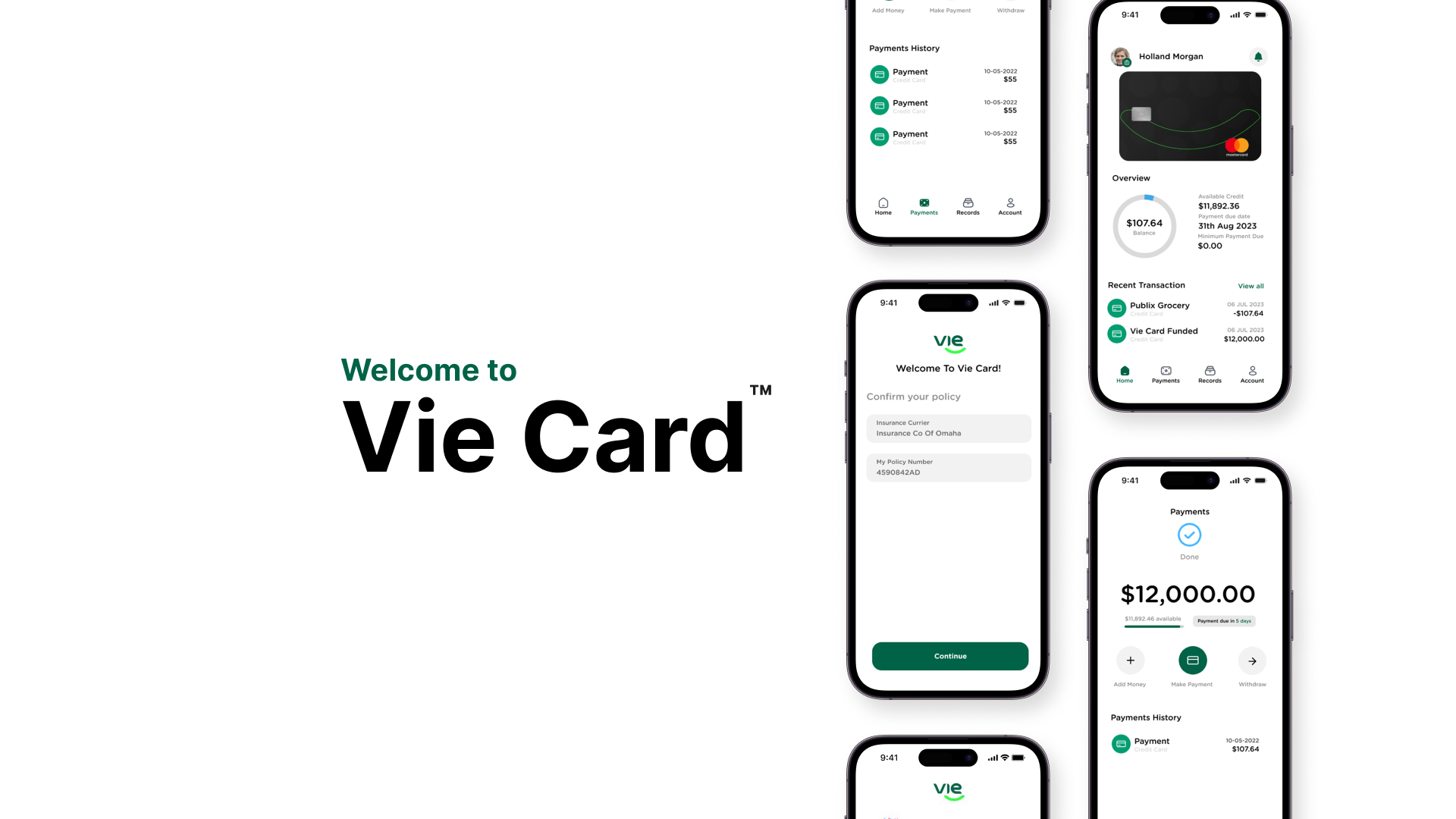
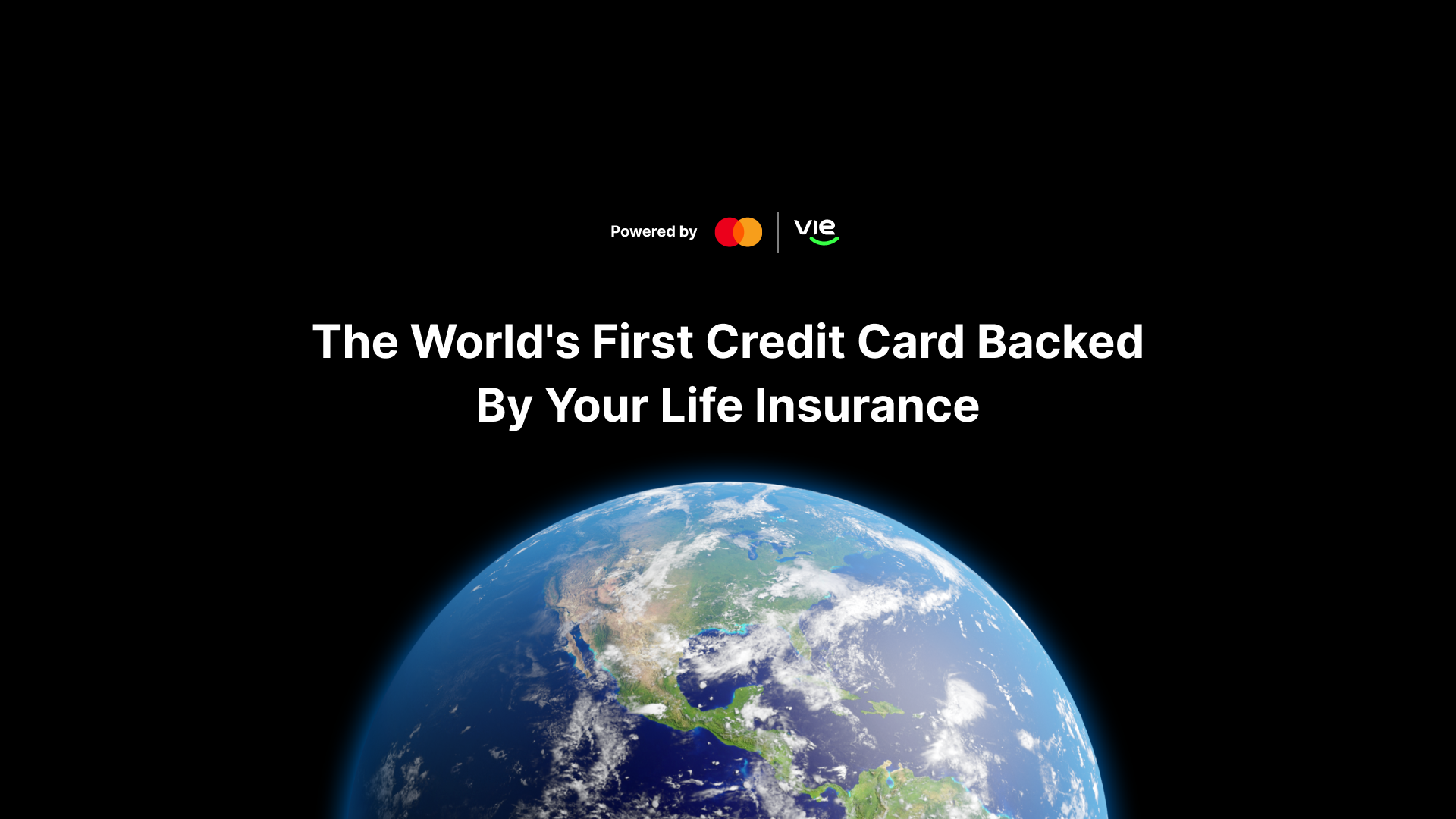
Vie is a financial product that allows eligible customers to use the value associated with their life insurance policy to support access to credit, turning an existing financial asset into something that can create value during their lifetime. I led product design across the full customer experience.
Role
Product Designer
Year
2024
Industry
Fintech / Consumer Finance
Platform
Mobile · Web
The Human Problem
People can have financial value they own but can't easily use.
Someone may have been paying into a life insurance policy for years. That policy can represent meaningful financial value. At the same time, the same person may rely on expensive credit when they need access to money, without realizing that an asset they already hold could be relevant to that situation.
Vie asks a straightforward question: what if an asset you already have could help you access better financial opportunities? Instead of treating a life insurance policy and a credit product as entirely separate things, Vie explores a different relationship between them.


Comprehension Before Conversion
The central Product Design challenge wasn't "how do we design a credit card?" It was: how do we help someone understand a financial model they may never have encountered before?
Vie introduces an unfamiliar concept. The interface couldn't assume customers already understood how their life insurance policy related to credit. Before asking anyone to apply, the experience needed to answer a sequence of questions: What is Vie? How does my insurance relate to this? What am I actually applying for? How does this benefit me? What will this cost? Am I eligible?
That meant education had to become part of the UX, not a separate step before it. The principle was: make the simple things obvious and the complicated things available. Start with the benefit, explain the concept, explain how it works, and introduce financial detail when it becomes relevant, not all at once.
Designing for Trust
Vie deals with two particularly sensitive areas: money and life insurance. Customers need confidence before connecting those two things. In fintech, clarity is part of trust. The interface can't ask someone to make a financial decision before they understand what they're agreeing to.
This shaped decisions around how information was sequenced, how financial details were introduced, and how the experience confirmed what was happening at each stage. The goal wasn't to make finance look simple. It was to make it easier to understand.
There's a real tension in financial product design between speed and understanding. Reducing friction is valuable. But removing necessary understanding in pursuit of a faster application creates a worse product. The design challenge was to remove unnecessary friction without removing necessary comprehension, keeping the journey moving while ensuring customers understood their position at every meaningful step.
Information Architecture for Finance
Financial products naturally contain numbers. A successful financial interface doesn't necessarily show less information. It establishes which information deserves attention first. The most important questions a customer has at any moment are usually: how much do I have, how much can I use, what will it cost, and what do I owe?
Designing that hierarchy across the product, from the discovery stage through eligibility, application, and ongoing card management, meant making constant decisions about what came first and what lived one level deeper. The architecture of financial information is a design decision, not just an organizational one.
The broader product idea behind Vie, that financial opportunity shouldn't depend only on traditional ways of evaluating someone's access to credit, informed how the experience was designed throughout. The product should feel empowering rather than complicated. That ambition lives in the details: how information is introduced, how terms are explained, how much is asked of the customer at any given moment.
Outcome
Vie transformed an unfamiliar relationship between life insurance and credit into an understandable digital financial experience, helping customers move from discovering the concept to understanding their options and accessing the product.
Designing Vie reinforced something important: complexity in financial products doesn't disappear just because the interface looks simple. Good Product Design decides when complexity needs to be visible, how it should be explained, and what a customer needs to understand before making a financial decision. The goal was never to make finance look simple. It was to make it easier to understand.