

Dax
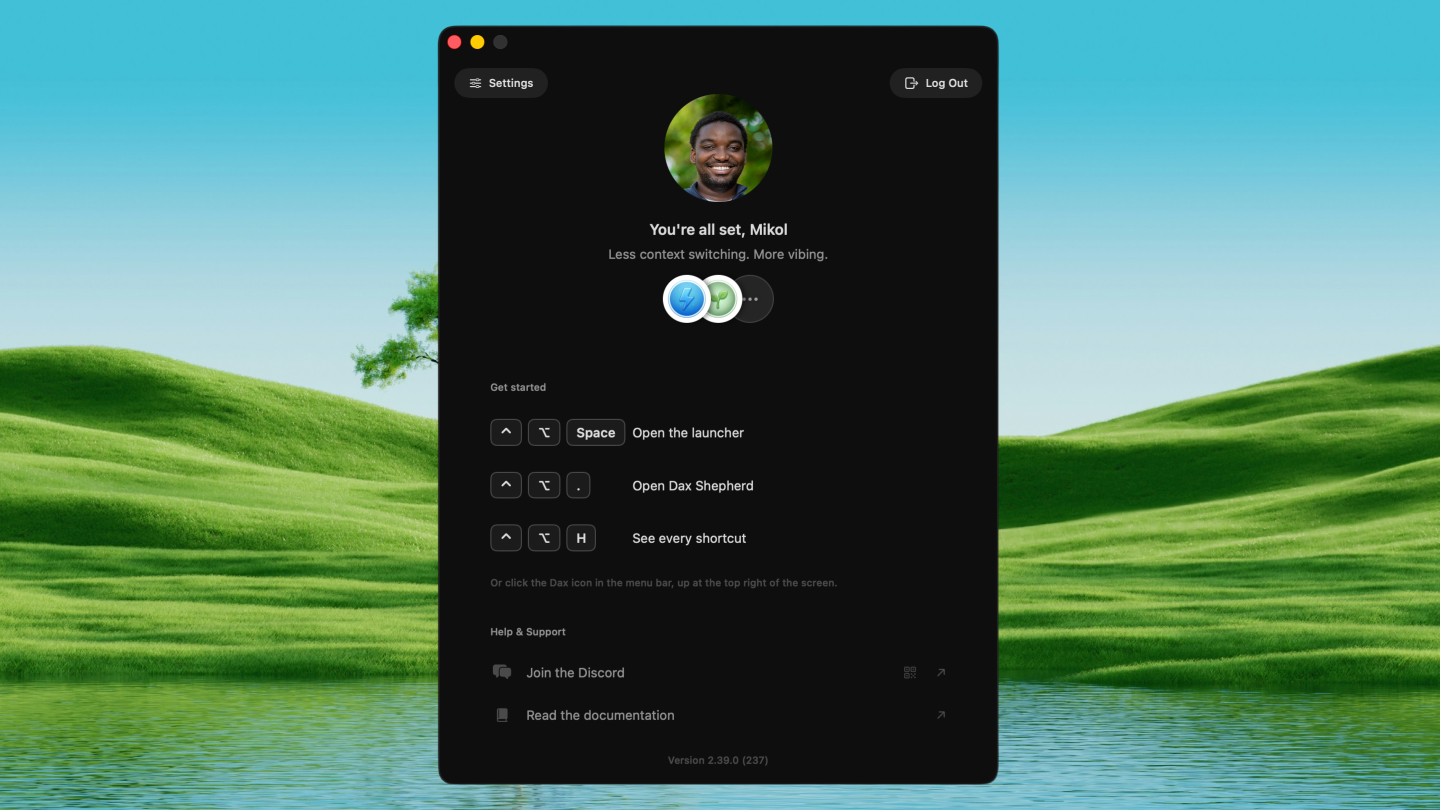
Dax is a macOS platform built around Dax Shepherd, a multiplayer terminal that lets multiple people connect to the same session and vibe code together in real time. Around it, a suite of accelerator tools handles everything else that slows developers down. The design mission: enable the next generation of developers.
Role
Product Designer
Started
July 2026
Industry
AI / Productivity
Platform
macOS
The Problem
The next generation of developers doesn't code alone, and the tools they use shouldn't assume they do.
Vibe coding, the practice of moving fast, iterating with AI, and building in flow, is increasingly how new developers experience software creation for the first time. But the tooling hadn't caught up. Terminals are single-player. Context switching is constant. The infrastructure for collaborative, AI-assisted development simply didn't exist in one place.
The design problem was clear: build a platform that makes multiplayer vibe coding possible, and surround it with the accelerators that remove every other source of friction.
The Idea
Dax Shepherd is the core. It is a shared terminal where multiple people connect to the same session, see the same output, and build together. Not screen sharing. Not async collaboration. Real-time, in the terminal, together. It's multiplayer for the vibe coding era.
Everything else in Dax exists to accelerate what developers do around that core session. The design principles that shaped the whole platform:
Multiplayer-first. Collaboration is the default, not an add-on.
Accelerators, not distractions. Every tool should make the developer faster, never slower.
Built for the next gen. The experience should be approachable for people who are new to development, powerful for those who aren't.
Flow-preserving. Invoke what you need, complete it, and return to the session without losing context.
One platform. Many tools, one coherent product.
Designing the System
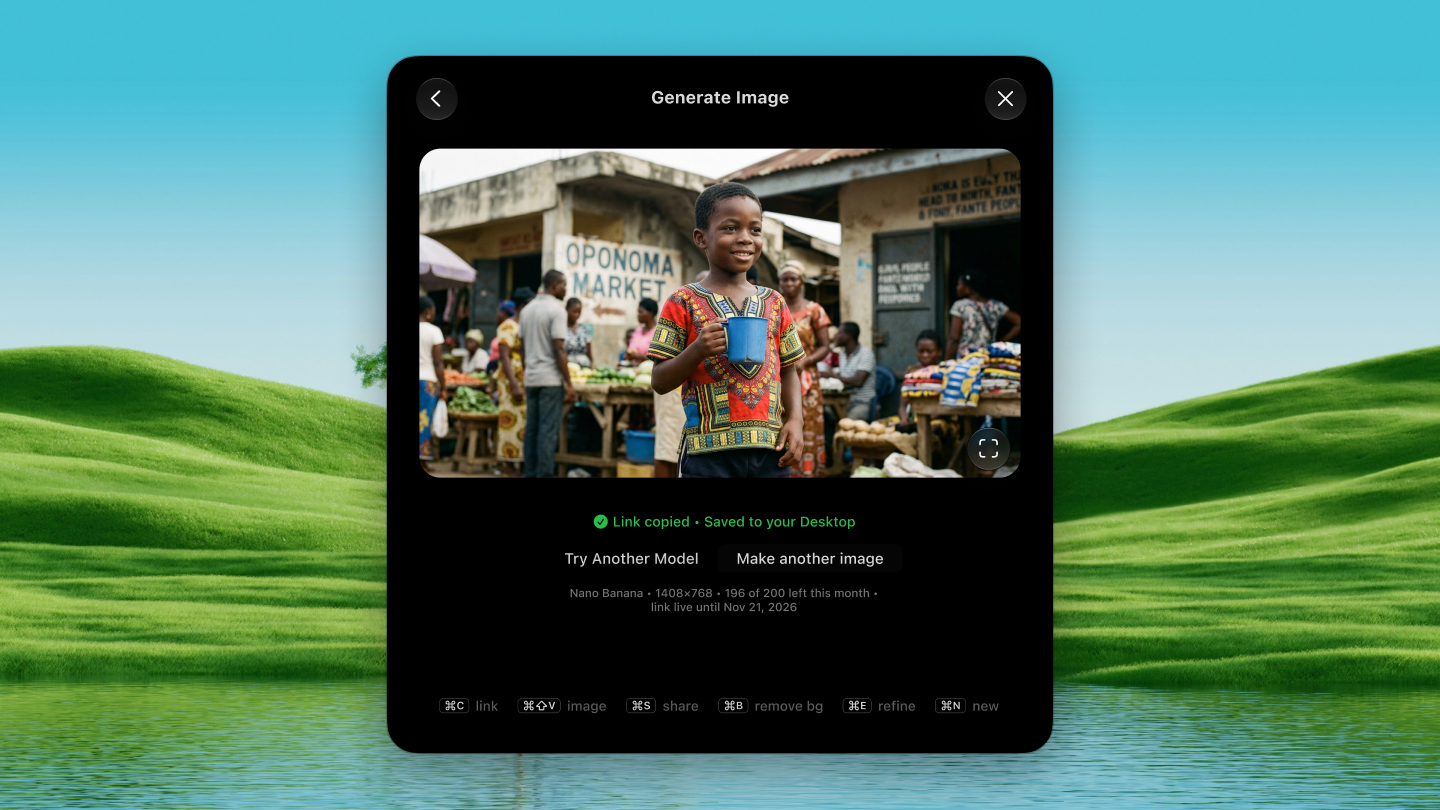
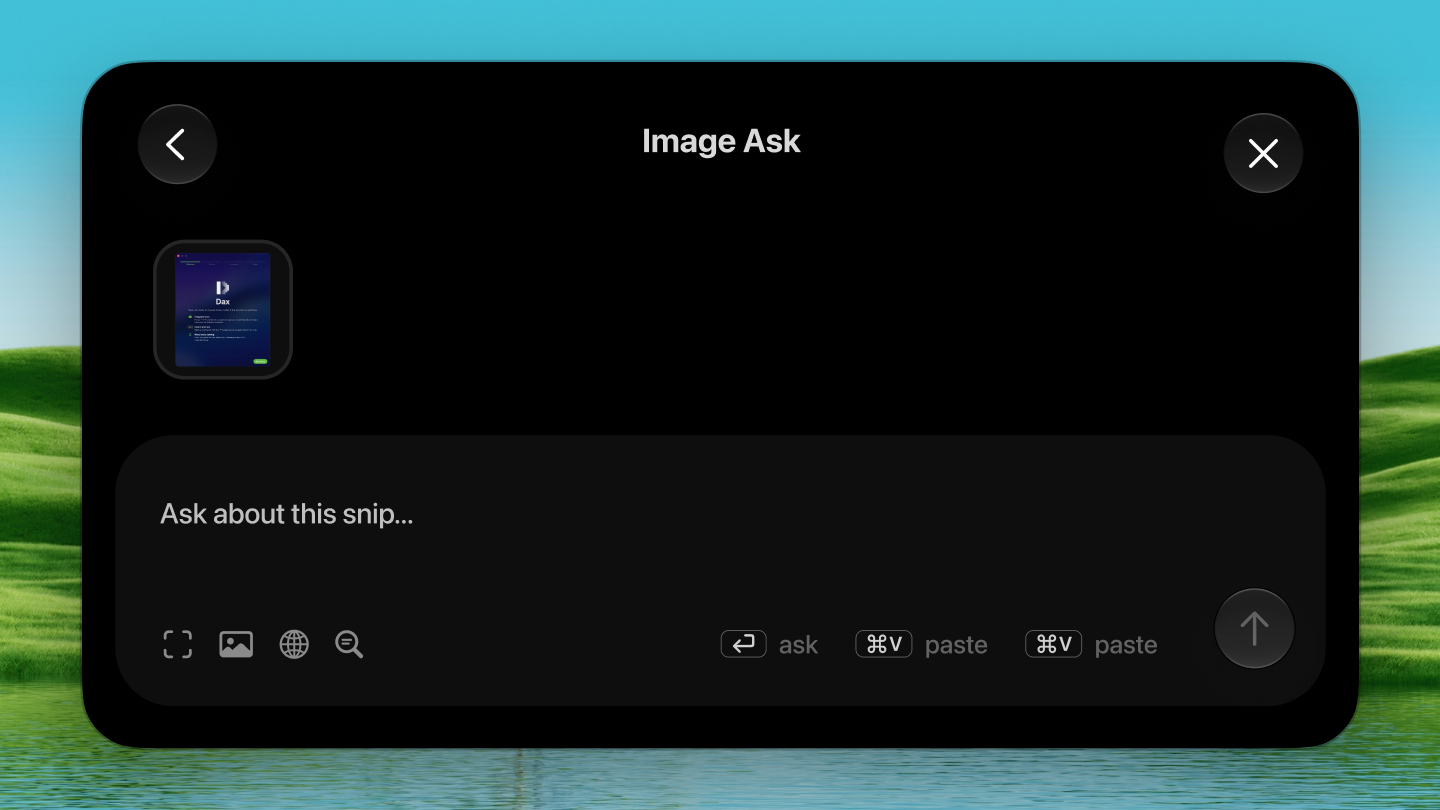
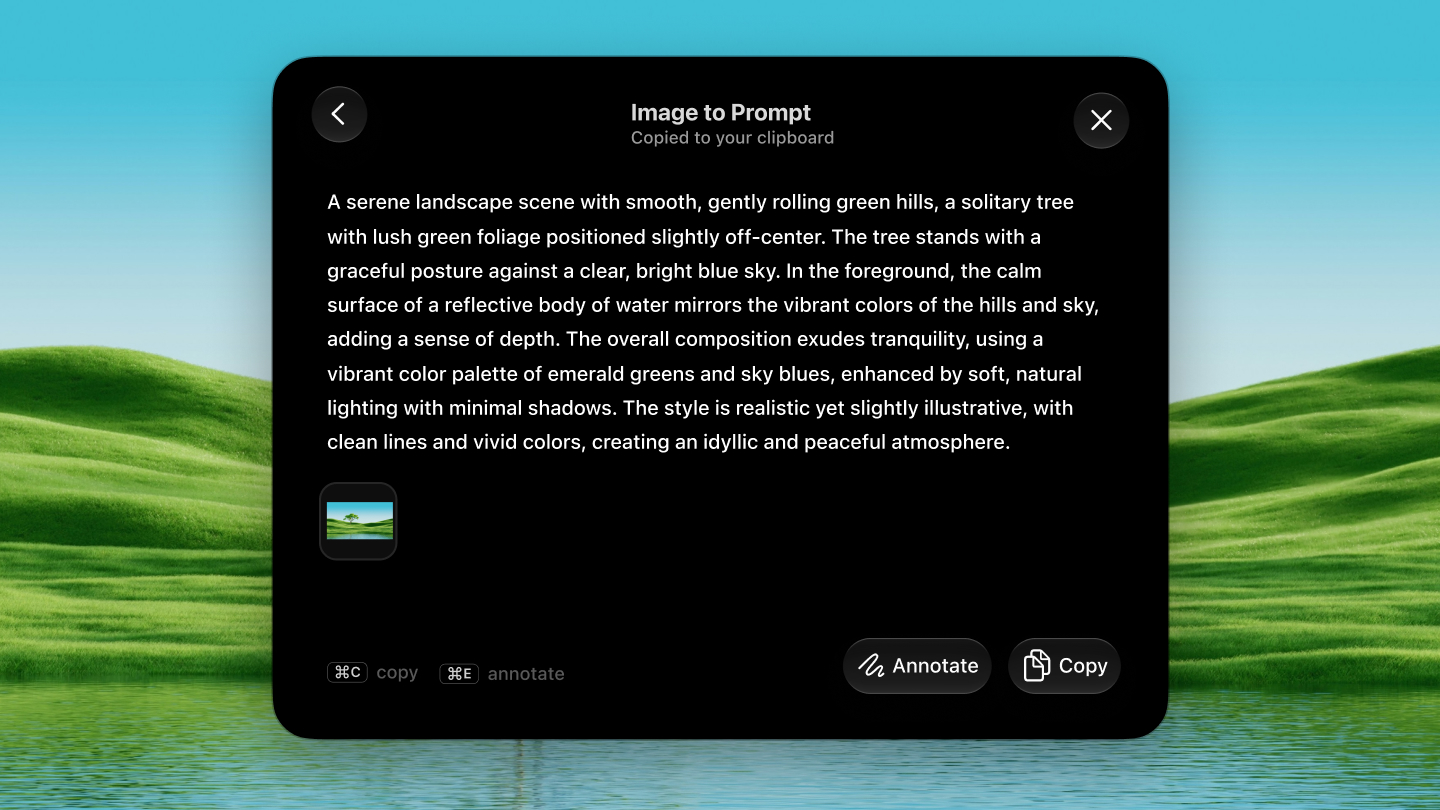
Once Shepherd defined what the centre of the platform was, designing the accelerators became a question of scope and coherence. Ask AI, Generate Image, File Drop, AI Text Transform, Image Ask, Prompt Snippets, Vibe History, Secrets, Context Form Fill. Each one lives in Dax because it removes friction from a workflow that developers hit constantly.
The design challenge wasn't building each tool. It was making them feel like one thing. Every accelerator had to share the same interaction model, the same visual language, and the same sense of how much interface it deserved. A tool that resolves in seconds shouldn't look like a tool that takes minutes.
I focused on keyboard-first access, compact interfaces that don't interrupt the session, predictable patterns across all utilities, and a clear enough hierarchy that new developers can find what they need without being taught how to use it.
Dax Shepherd
Shepherd is the product. Multiple people, one terminal, building together in real time. You connect, you see what everyone else sees, and you contribute to the same session. It's the multiplayer layer that vibe coding has been missing.
The design problem was making shared terminal sessions feel intentional rather than chaotic. Who is in the session, what is each person doing, whose input is being executed: these are questions the interface has to answer without adding ceremony. Presence needs to be legible. The session needs to feel collaborative, not crowded.
Shepherd is also where the mission becomes most concrete. When someone new to development can join a terminal session with someone more experienced and build alongside them, watching, contributing, learning in context, that's the next generation of developers getting access to something that used to require being in the same room.
Outcome
Dax is a live and evolving platform. The work since July 2026 has moved from an initial set of accelerators toward something with a clearer centre: Shepherd as the primary product, and every other tool as infrastructure that makes the session better.
The outcome I'm most proud of isn't any single feature. It's that a first-time developer can open Dax, join a Shepherd session, and start building alongside someone more experienced, without the tool getting in the way of that moment. That's what designing for the next generation actually means in practice.